







Search Results for: Arabica variety
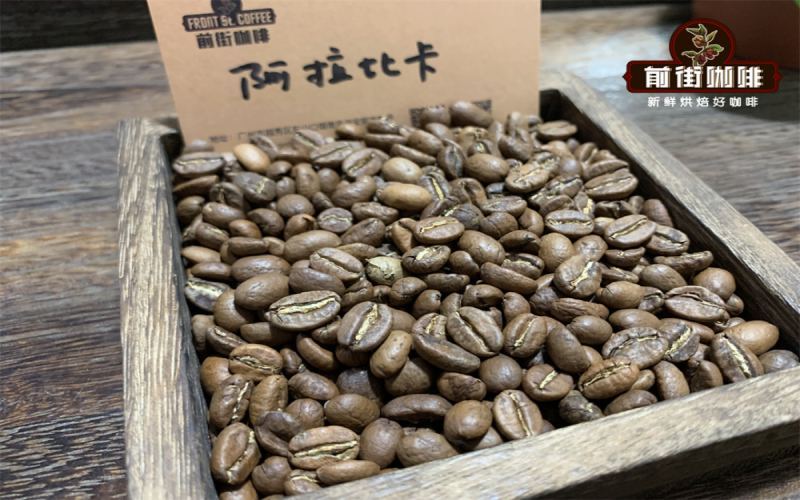
Is Blue Mountain Coffee an Arabica? A Comprehensive Analysis of Arabica Flavor Characteristics and Common Derivative Varieties
Arabica is the most central variety in today's specialty coffee world, and Blue Mountain coffee also belongs to this broad category. This article will systematically introduce the basic knowledge of Arabica coffee beans from the perspectives of variety origin, flavor characteristics, and growing conditions, and will also sort through the features and representative products of common derivative varieties such as Typica, Bourbon, Caturra, and Catuai one by one. At the same time, combined with Front Street Coffee's brand recommendations, it provides coffee lovers with a complete guide from variety awareness to purchasing reference, helping you more clearly understand the rich diversity within the Arabica system. [more…]

What exactly are Arabica coffee beans? A full analysis from variety origins to Typica, Bourbon, Caturra, and Catuai
People often say "100% Arabica," but what exactly does Arabica refer to? Is it a country, a producing region, or a coffee variety? In fact, Arabica is just one of the three major coffee species, the other two being Robusta and Liberica, and Arabica is widely used in specialty coffee due to its outstanding flavor. Its caffeine content is about 0.8%-1.5%, yet it accounts for about 75% of global production, but its growing conditions are demanding—it is vulnerable to frost, drought, and leaf rust. In this article, Front Street Coffee will guide you through the origin of the name Arabica, its spread and history, and the common varieties derived from it, such as Typica, Bourbon, Caturra, and Catuai, along with the origin and flavor information of representative coffee beans for each variety, to help you choose your ideal coffee more clearly. [more…]
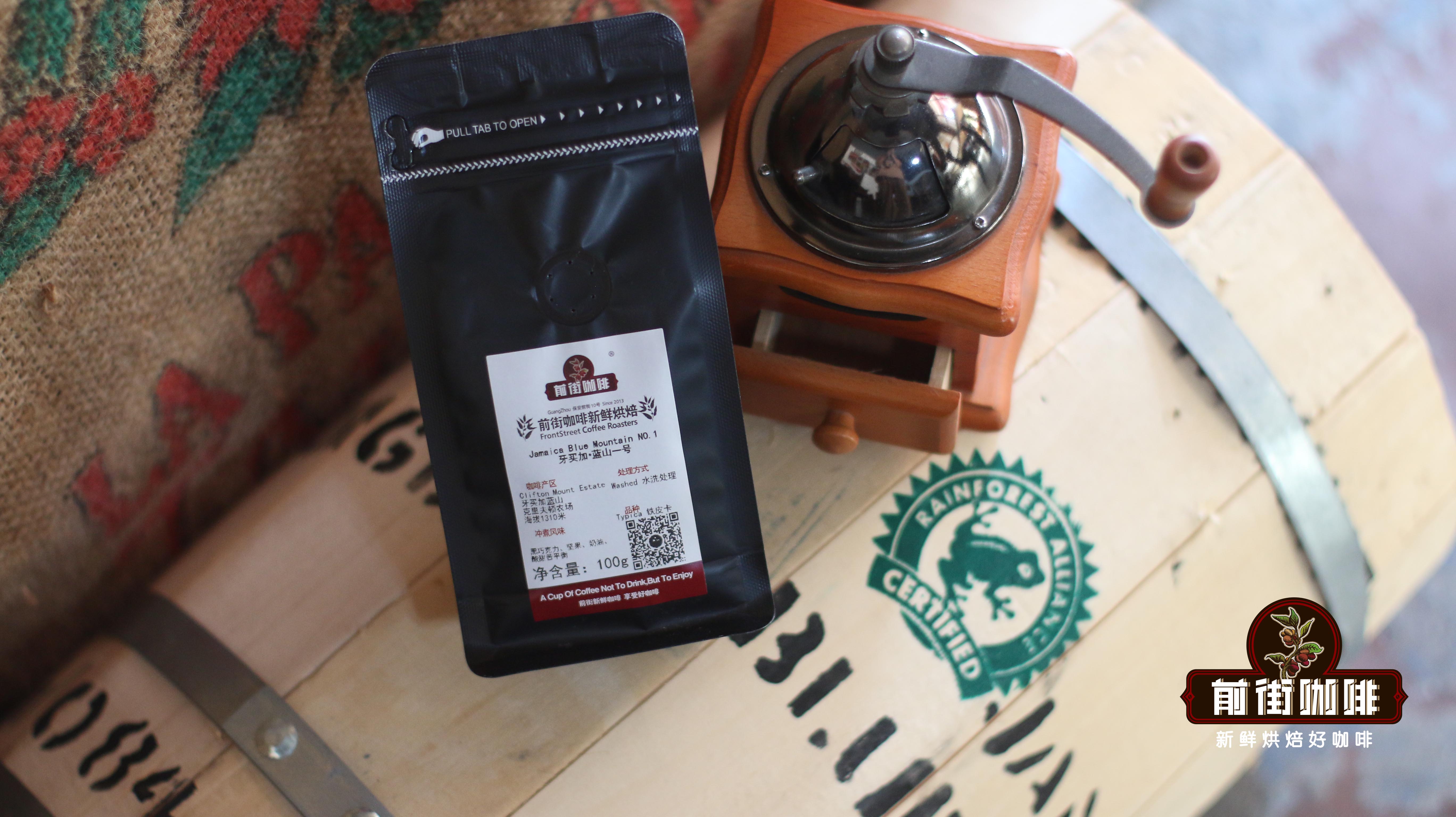
A Comprehensive Guide to 100% Arabica Coffee Beans: Variety Origins, Flavor Characteristics, and Common Representative Beans
We often hear the phrase "100% pure Arabica," but many people aren't clear on what it actually means. Arabica is actually the name of a coffee variety, not a country. It is currently the most widely cultivated and best-performing coffee variety in the world, with a caffeine content of only 0.8%-1.5%, and its output accounts for about 75% of the world's total coffee production. However, Arabica is delicate and frail, makes strict demands on the growing environment, and is prone to coffee leaf rust. Common specialty coffee beans such as Typica, Bourbon, Caturra, and Catuai are in fact all sub-varieties derived from Arabica. This article will systematically sort out the definition of Arabica, the origin of its name, and several of the most common derivative varieties on the market, to help coffee lovers gain a clearer understanding of the coffee beans they drink every day. [more…]
An In-Depth Look at the Two Mainstream Coffee Bean Varieties: Characteristics of Arabica and Robusta, Common Arabica Sub-Varieties, and Hybrid Breeding
In the global coffee-growing landscape, origins such as Brazil, Colombia, and Indonesia each have their own renown, while botanically coffee belongs to the Rubiaceae family under the genus Coffea, with over a hundred known species, though commercial cultivation is mainly concentrated in three varieties: Arabica, Robusta, and Liberica. Arabica is known for its elegant flavors and rich aromas, accounting for more than seventy percent of global production, and is often used for single-origin and specialty coffee; Robusta, on the other hand, is heat-tolerant, high-yielding, and highly stress-resistant, and is mostly used for instant coffee and espresso blends. This article systematically reviews the advantages and disadvantages of these two major varieties, the origins and flavor characteristics of common Arabica sub-varieties such as Typica, Bourbon, Catimor, and Maragogype, and introduces the Castillo variety bred from a cross between Arabica and Robusta, while also sharing related product experiences from Front Street Coffee in stores and during cupping. [more…]
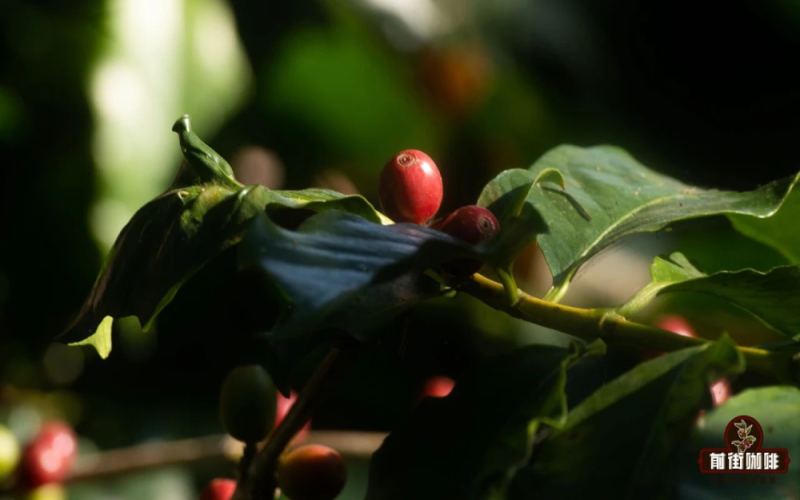
Arabica Coffee|What types of Arabica coffee beans are there? Recommendations for good-tasting, affordable specialty Arabica pour-over coffee beans
Arabica refers to a coffee variety. According to Front Street Coffee, there are currently three major coffee varieties in the world: Arabica, Robusta, and Liberica. Among them, Arabica coffee beans have the best flavor performance, so they are used to make specialty coffee. At the same time, its caffeine content [more…]
A Complete Analysis of Arabica Coffee Beans: From Variety Origins to the Flavor Characteristics of Typica, Bourbon, Caturra, and Catuai
Many people drink Arabica every day, yet may not truly understand it. Arabica is not a single variety, but one of the three major coffee species, with the best flavor and a caffeine content of only 0.8%-1.5%, while accounting for about 75% of global production. But it is inherently delicate, able to grow only at high altitudes, vulnerable to frost and drought, and prone to coffee leaf rust. From the perspective of Front Street Coffee, this article traces the origin of the name Arabica and its spread, and introduces one by one the characteristics and representative beans of several common derived varieties—Typica, Bourbon, Caturra, and Catuai—to help coffee lovers more accurately choose the cup that suits them. [more…]
Arabica Coffee | What Is Arabica Coffee? 8 Recommended High-Value Specialty Pour-Over Coffee Beans with Subtle Acidity and a Sweet Aftertaste
Is Arabica a coffee brand from some country? Arabica is the name of a coffee variety, and it is a very common coffee variety name. "Made with 100% Arabica coffee beans," "selected Arabica coffee beans"... In our daily lives, when we buy all kinds of coffee products, the packaging always says " [more…]
What Exactly Does Arabica Coffee Refer To? A Full Analysis from Variety Origins to the Flavors of the World's Mainstream Coffee Beans
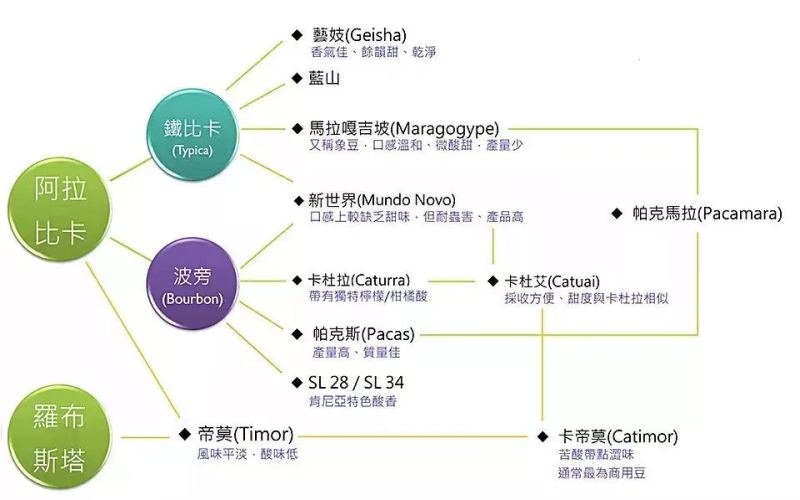
When buying coffee, what exactly does "Arabica," which frequently appears on packaging, mean? It is not a coffee brand from any particular country, but an important botanical variety of coffee. This article, from the perspective of Front Street Coffee, sorts out the differences between Arabica, Robusta, and Liberica, explains why Arabica can account for more than seventy percent of global production, and clarifies its connection to specialty coffee. At the same time, the article introduces one by one the common Arabica branch varieties on the market—Typica, Bourbon, Caturra, Catuai, SL28 and SL34, Geisha, Ethiopian heirloom varieties, and Catimor—combining the origin, altitude, processing method, and brewing flavor of various representative beans from Front Street to help coffee enthusiasts build a clear framework for understanding varieties. [more…]
A Complete Analysis of Coffee Bean Classification: Differences Between Arabica and Robusta and Common Arabica Varieties
There are many coffee-producing regions around the world, and the coffee beans produced in places such as Brazil, Colombia, and Indonesia each have their own reputation. In plant taxonomy, coffee belongs to the Rubiaceae family, and about eighty coffee tree species have been confirmed, among which there are three main cultivated species used for drinking: Arabica, Robusta, and Liberica. Arabica is known for its delicate flavor and aroma and is often used for single-origin and specialty coffee; Robusta, due to its strong adaptability and high yield, is mostly used for instant coffee. Each has its own advantages, and they have also given rise to many hybrid varieties. This article will systematically sort out the characteristics of these two major coffee species, and introduce common Arabica sub-varieties such as Typica, Bourbon, Catimor, and Maragogipe, while also sharing Front Street Coffee's cupping experience and product recommendations for the related bean types. [more…]
The Arabica Coffee Variety System | What types of Arabica coffee beans are there? Is the difference between Arabica and Robusta coffee significant?
It is often said that delicious coffee is inseparable from its variety, and currently the most common are Arabica coffee beans and Robusta coffee beans, which are the two most common bean types. The Arabica variety is considered the best among all varieties, mostly appearing as specialty coffee, and its overall flavor is also relatively good. Our famous Blue Mountain Coffee [more…]
A Comprehensive Analysis of Arabica Coffee Bean Variety Characteristics: The Price of a Cup of %Arabica and Market Trends
Is Arabica actually a coffee variety or the name of a cup of coffee? Many friends who are just getting into specialty coffee easily confuse this concept. In fact, Arabica is a core variety of the coffee tree, from which many branches such as Typica and Bourbon have derived. This article will systematically sort out the botanical characteristics, growing environment requirements, global distribution range, flavor performance, and caffeine content of Arabica coffee beans, while also answering how much a cup of %Arabica coffee costs, and combining price data from the ICE Futures Exchange to analyze the various factors affecting coffee pricing. The article also retains relevant product recommendations from Front Street Coffee for enthusiasts to refer to when purchasing. [more…]
The Complete Guide to Arabica Coffee: From Variety Origins to Front Street Coffee's Recommended Bean List — Essential Pour-Over Basics
When buying coffee, what exactly does the word "Arabica" that frequently appears on packaging represent? It is not a country or a brand, but the most important species in the coffee world. This article will start from biological classification to clarify the differences between Arabica, Robusta, and Liberica, and then take a deeper look at the characteristics and flavor tendencies of mainstream varieties such as Typica, Bourbon, Caturra, Catuai, SL28/SL34, Geisha, Ethiopian heirloom varieties, and Catimor. At the same time, by combining several representative bean lists from Front Street Coffee, it helps coffee enthusiasts establish a clear understanding of the relationship between varieties and flavors at the beginner stage of pour-over coffee. [more…]
A Complete Analysis of the Arabica Coffee Family Varieties: Is Typica Classified Within the Arabica Camp?
The coffee world is complex and diverse, but the two most common commercial bean species are undoubtedly Arabica and Robusta. This article systematically reviews the production distribution, growing environments, and flavor characteristics of the world's three major native coffee varieties, with a focus on analyzing the Typica sub-variety under the Arabica species—from botanical classification to cup performance, answering the common question of whether Typica belongs to Arabica. The article also introduces Front Street Coffee's variety profile and includes a flavor description of Typica in the Yunnan production region, helping enthusiasts build a clear framework for understanding coffee varieties. [more…]
The Origin and Flavor Code of Arabica Coffee Beans: A Full Analysis from Variety Characteristics to Common Subspecies and Hybrids
Why can Arabica coffee beans become synonymous with specialty coffee? From the perspective of Front Street Coffee, this article systematically sorts out the core differences between Arabica and Robusta in flavor, growing conditions, and caffeine content, and introduces one by one the origins and flavor characteristics of common Arabica-derived subspecies and hybrid varieties such as Typica, Bourbon, Caturra, Geisha, Catimor, and SL28. It also includes the producing regions, altitudes, processing methods, and flavor descriptions of several representative coffee beans in Front Street Coffee stores, helping coffee enthusiasts fully understand the Arabica variety system so they can more accurately select coffee beans that match their personal preferences. [more…]
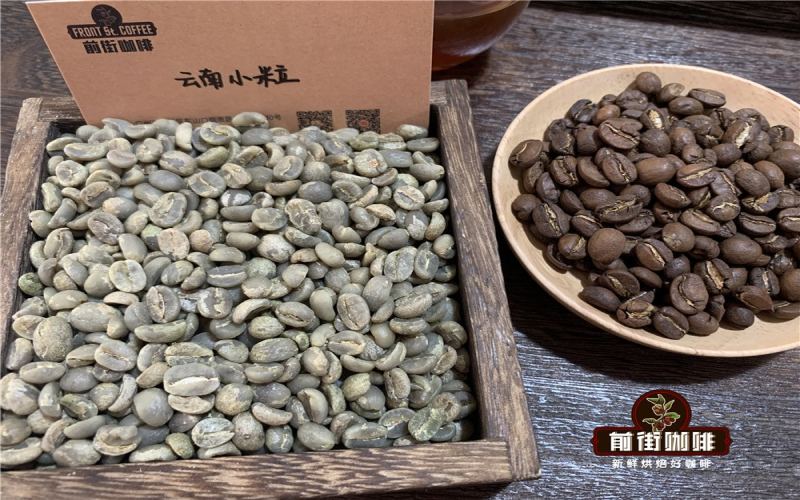
Flavor Analysis of Yunnan Arabica Coffee Beans: A Full Overview of Varieties and Producing Regions from Typica to Catimor
Yunnan coffee occupies a central position in China's coffee landscape, with annual production accounting for about ninety percent of the national total. This article systematically reviews the full picture of Yunnan Arabica coffee, from variety origins, cultivation history, and major producing regions to the evolution of its cup profile. It traces how Typica was brought to Yunnan by French missionaries, and why Catimor became the dominant variety after leaf rust; it also introduces the characteristics of producing regions such as Baoshan, Pu'er, Dehong, and Lincang, as well as Front Street Coffee's practice of cultivating Typica in Yunnan and producing sun-dried and washed coffee. Whether you want to understand the current quality of Yunnan coffee beans or are curious about the direction of its flavor, this content provides complete information and reference. [more…]
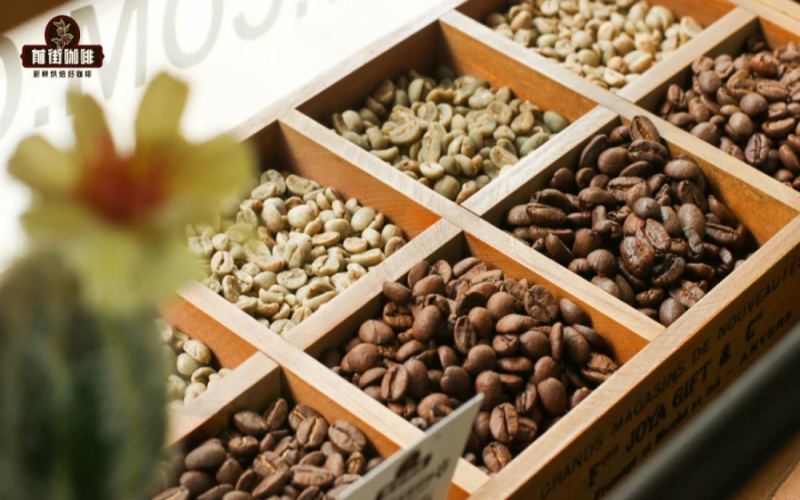
Flavor Comparison of Typica and Catimor Coffee Beans: Yunnan Arabica Variety Characteristics and Brewing Flavor Analysis
The specialty coffee market has long been dominated by Arabica varieties, but in recent years hybrid varieties such as Catimor have gradually emerged. From the perspective of Front Street Coffee, this article systematically sorts out the differences between Arabica and Robusta, reviews the history of the Catimor variety's creation due to the leaf rust crisis, and analyzes its performance in disease resistance, yield, and cupping flavor. The article also specifically introduces the origin information and brewing flavors of three beans—Front Street Sun-Dried Catimor, Yunnan Arabica, and Golden Mandheling—helping coffee enthusiasts gain a comprehensive understanding of the current status and acceptance of the Catimor variety. [more…]
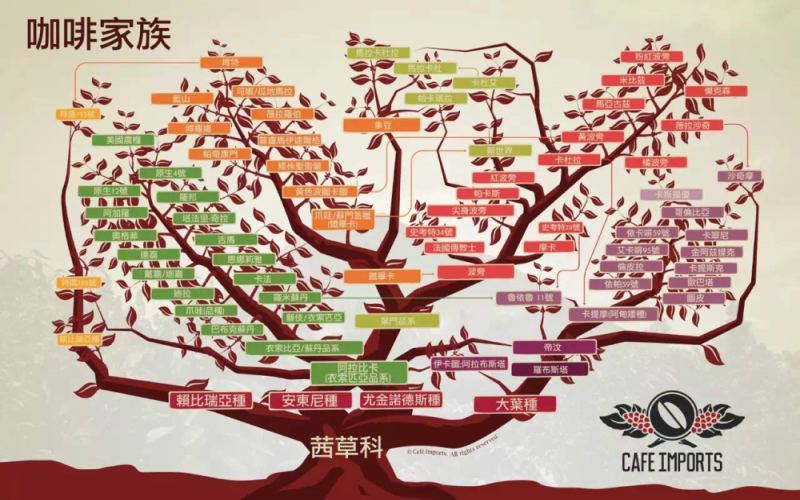
A Comprehensive Analysis of the Flavor Characteristics of Major Arabica Coffee Bean Varieties and Their Derived Types
The flavor foundation of coffee lies in its varieties. Among the world's three major native species, Arabica, with its delicate aroma and rich layers, occupies an absolute mainstream position in specialty coffee. However, Arabica is not a single variety; after centuries of natural mutation and artificial breeding, it has derived many branches such as Typica, Bourbon, Caturra, Geisha, and Catimor, each presenting distinctly different expressions in the cup. This article will systematically sort out the main variety lineage of Arabica, from ancient native species to modern hybrids, analyzing their origins, morphological characteristics, and flavor trends one by one, while also introducing several representative single-origin beans from Front Street Coffee, to help coffee enthusiasts build a clearer framework for understanding varieties. [more…]
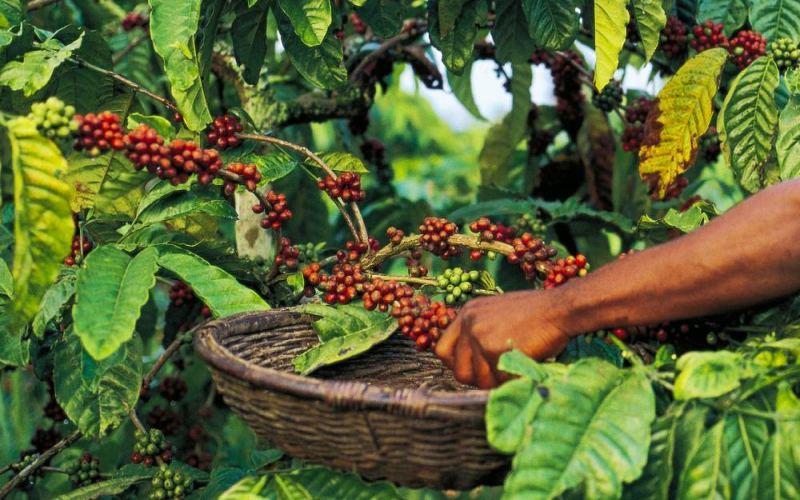
How is the quality of Arabica coffee beans? Does Geisha belong to Arabica? A detailed explanation of variety flavors and taste characteristics
The coffee world is vast and complex, but commercial cultivation revolves mainly around three major varieties: Arabica, Robusta, and Liberica. Among them, Arabica has become the mainstream of specialty coffee thanks to its elegant aroma and pure flavor. This article will take a deep dive into Arabica's growing conditions and quality tiers, and introduce one by one the origins and flavor characteristics of common subspecies such as Typica, Bourbon, Geisha, and Caturra. At the same time, drawing on examples from Front Street Coffee's bean list, it will help enthusiasts understand the taste differences among varieties. Whether you are a beginner just starting out or a seasoned veteran, you can gain a systematic understanding of varieties from it. [more…]
A Complete Analysis of the Arabica Coffee Bean Family: The Variety Lineage and Characteristics from Typica and Bourbon to Geisha and Catimor
The flavors of coffee are endlessly varied, and the root cause often lies in differences between varieties. Among the two main types of beans, Arabica and Robusta, Arabica has become the primary source of specialty coffee thanks to its delicate and elegant flavor expression. Starting from botanical classification, this article sorts out Arabica's origins, growing conditions, and physical characteristics, and systematically introduces the background and flavor traits of common varieties such as Typica, Bourbon, SL28, Geisha, Caturra, Pacas, Maragogype, Tim Tim, and Catimor. It also retains the producing regions, processing methods, and flavor descriptions of several Front Street Coffee single-origin beans, helping coffee lovers build a complete framework for understanding varieties. [more…]
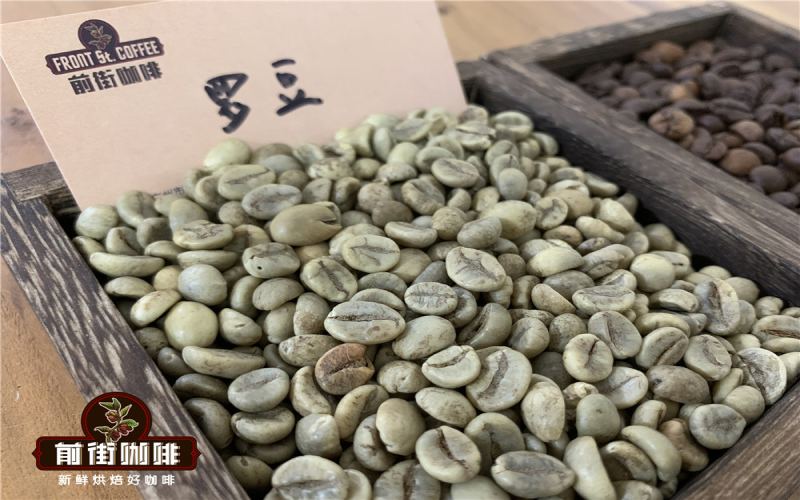
Comprehensive Comparison of Arabica and Robusta Coffee Beans: Is Yunnan Small-Bean Coffee an Arabica Variety?
Among the three major species in the coffee world, Arabica and Robusta account for the vast majority of the market share. The two differ in growth cycle, yield, flavor characteristics, appearance, and suitable applications, and their commercial value also varies greatly. This article systematically sorts out the core differences between Arabica and Robusta, while also answering a common question: which category does Yunnan small-bean coffee actually belong to? The article also introduces the origins and development of Yunnan coffee's main cultivated varieties—Typica, Bourbon, and Catimor—as well as Front Street Coffee's evaluation of the flavor of Yunnan Catimor. Whether you are an everyday drinker or a specialty coffee enthusiast, you can find clear reference points here. [more…]